EVOLVE V.A.R.C
Identity in the Age of Connectivity

The Commodification of Being: Identity, Atomization, and the Transactionalization of Eros in the Digital Epoch
The ontological contours of human identity represent a profoundly intricate locus of inquiry. Arguably, the advent of hyper-mediated digital infrastructures and the democratization of heterogeneous media paradigms have precipitated a seismic transfiguration in how the modern subject conceptualizes the self. In stark juxtaposition to antecedent decades—where subjective identity was inextricably tethered to intrinsic dispositions and civic embeddedness—contemporary selfhood finds itself increasingly bound to patterns of consumption, particularly within the digital ether.
A seminal exposition of this paradigm shift manifests within the socio-cultural matrix of algorithmic platforms such as TikTok. While ephemeral trends proliferate herein akin to the dissemination mechanisms of mid-century print and broadcast media (albeit at a hyper-accelerated velocity), the salient revelation is the profound degree to which user subjectivity is conflated with sartorial choices, media diets, and epicurean habits. Although the postulate that consumer goods architect personal identity was famously articulated by Edward Bernays in the 1920s, the contemporary iteration underscores his prescient apprehension of human behavioral malleability. Today, discovering subjects who define themselves predominantly via innate virtues proves arduous; rather, self-actualization is mediated through consumption. Beyond mere product promotion, a more insidious, subliminal heuristic operates, strategically weaponizing demographics—predominantly women—by conflating specific commodity clusters with idealized feminine archetypes. The ‘clean girl’ aesthetic, for instance, functions not merely as a cosmetic regimen but as a curated socioeconomic signifier. It amalgamates grooming products and apparel to project an aura of affluent tranquility, unblemished radiance, and bourgeois domestic harmony. Consequently, such trends serve as performative conduits, enabling subjects to masquerade in the aspirational personas these commodities metonymically represent.
This metamorphosis engenders a palpable paradox: if subjects harbor an insatiable impetus for individual differentiation, why capitulate to meticulously choreographed trends that ultimately commodify identity, subjugating them to the taxonomy of late-stage capitalism? The unequivocal locus of culpability is capitalism itself, which has orchestrated a fundamental reorientation of interpersonal and introspective perception. In a zeitgeist propelled by consumerism, mimetic rivalry, and acquisitive desire, subjects are increasingly incentivized to sculpt themselves into fungible commodities, sanitizing their eccentricities for mass palatability. This engenders a proliferation of hyper-specific nomenclatures, each laboring to crystallize the purportedly idiosyncratic nuances of the self.
Yet, as these taxonomies achieve alarming granularity, a deleterious undercurrent emerges. The hyper-specialization of identity frequently correlates with disconcerting sociopsychological ramifications, a phenomenon acutely observable among younger demographics via the disconcerting aestheticization of psychological pathology. Micro-trends—such as the ‘coquette’ or ‘alt’ archetypes—frequently operate as thinly veiled allegories for clinical neuroses or melancholia. Rather than demystifying or ameliorating these conditions, the digital milieu romanticizes them, transmuting profound psychological distress into aspirational cultural capital to be paraded as the sine qua non of one’s digital persona.
Historically, human maturation necessitated proximity to diametrically opposed ideological frameworks. Polyphonic discourse was ubiquitous, yet ideological friction rarely precipitated the dissolution of interpersonal amity. Conversely, the contemporary digital landscape, saturated with hyper-specialized ideological enclaves, fosters a profoundly divergent dynamic. Subjects retreat into the comforting insularity of epistemic echo chambers, wherein prevailing dogmas remain unchallenged. This cloistered existence effectively paralyzes the imperative for dialectical engagement with the ‘Other’, inadvertently fracturing the communal bedrock that historically sustained societal cohesion. This severance from our evolutionary predilection for communal attachment has catalyzed an epidemic of profound alienation, conditioning subjects for a bleak self-reliance that endlessly reiterates the nihilistic maxim of solitary existence and demise.
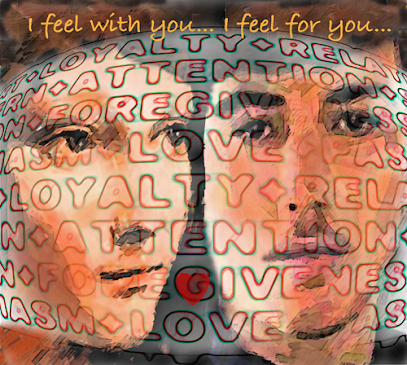
Regarding the phenomenology of romantic love, I posit it resolutely defies taxonomic reduction. We perpetually harbor the fallacy that amour is predicated upon a symmetry of ideologies or leisure pursuits. The reality is profoundly more enigmatic: humanity retains the capacity for profound affection independent of symmetry or dissonance. Transcending calculations of physiognomic compatibility or superficial chemistry, I conceptualize romantic attachment as an inherently pre-cognitive, spontaneous imperative dictated by neurobiological automatism rather than rational deliberation. The foundational alchemy transmuting visceral attraction into profound attachment remains temporally immutable. Governed by these capricious neurochemical cascades, the serendipitous object of our affection is elevated to a pedestal of unparalleled exceptionalism. Only upon the inevitable dissipation of this neurochemical intoxication do we register the subject’s inherent fallibility, often culminating in retrospective incredulity at our prior blindness.
Historically, constrained geographic mobility mandated that romantic selection was frequently serendipitous, an unsolicited neurobiological cascade mediated heavily by physical proximity. Today, however, the paradigm of unconditional love—historically exalted within the literary canon—is simultaneously mythologized and subjected to profound derision. A starkly utilitarian, and profoundly reductionist, conceptualization of romance increasingly permeates online lexicons, particularly within male-dominated cynosures. Herein, intimacy is violently stripped of its ineffable mystique, relegated to a transactional barter system: male provision exchanged for female aesthetic utility. This vulgarized misappropriation of evolutionary psychology aggressively excises the enchanting, multifaceted essence of eros.
This bastardization of intimacy is exacerbated by the ‘paradox of choice,’ wherein hyper-abundance paralyzes rather than liberates. Our hyper-awareness of an inexhaustible reservoir of global counterparts engenders a melancholic fallacy: the belief that the provincial, serendipitous love of antiquity is irrevocably lost. This tyranny of choice compels subjects to perceive themselves as competitive inventory in a saturated romantic marketplace, demanding relentless self-promotion. Digital dating infrastructures, such as Tinder, represent the architectural apex of this self-commodification, reducing multifaceted consciousnesses into sanitized, algorithmically digestible dossiers. While apologists laud these applications for occasionally precipitating authentic connection, I attribute such triumphs to the indomitable, chaotic resilience of the human capacity for attachment, rather than to the algorithmic pantomime of predicting the sublime intricacies of human affection.
GENRE- PHILOSOPHY
WORDS COUNT- 800
F.K SCORE - 18.7
SOURCE- PHILOSOPHY NOW


Comments
Post a Comment